How to Do Customer Research on a Small Budget

Customer research means learning directly from the people you want to serve: what they struggle with, what they've tried, and the words they use to describe it. The three simplest methods are one-on-one interviews, short surveys and reading reviews of similar products. All three cost little or nothing, and you can start with one conversation this week.
Research is the first link in the chain we describe in the Marketing & Sales section, because every message, page and email you write later depends on it.
Why research beats guessing
Most new business owners assume they know what customers want. Sometimes they're right. Often the real problem is a little different, or customers describe it in words the owner would never use.
Research helps you:
- Find the problem people care enough about to pay for.
- Hear the exact phrases they use, which become your headlines and emails.
- Learn what they've already tried and why it didn't work.
- Spot objections before they show up as lost sales.
Once you have those notes, writing gets much easier. Copywriting basics shows how to turn customer language into clear, honest copy, and it's the natural next step after this page.
Method 1: Customer interviews
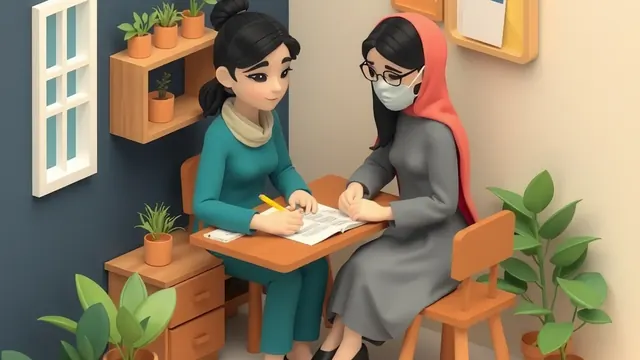
A short conversation with one person can reveal more than a pile of guesses. Aim for 20 to 30 minutes, by video, phone or in person.
Who to ask: people who match your audience and have the problem now or recently. Past customers, friends of friends, members of online groups who are open to chatting. Avoid people who only want to be nice to you.
Interview script (adapt freely):
- "Tell me a bit about your situation with [topic]."
- "What's the hardest part about it right now?"
- "When did you last try to solve it? What did you do?"
- "What did you like or dislike about that?"
- "If you could wave a wand, what would be different?"
- "Is there anything else I should have asked?"
Tips that keep it honest:
- Ask about the past, not the future. "What did you do last time?" is more reliable than "Would you buy this?"
- Don't pitch. You're there to listen, not sell.
- Stay quiet after a question. People often say the most useful thing after a pause.
- Write down their exact words, not your summary.
- Thank them, and ask if they'd be open to hearing from you later.
Method 2: Short surveys
Surveys are useful once you know what to ask about. They help you see which problems come up most among a larger group.
Keep it short: five to seven questions, mostly multiple choice, with one or two open-ended questions. Ask for permission before adding anyone to a mailing list.
Sample survey questions:
- Which of these is your biggest challenge with [topic]? (list options from your interviews, plus "something else")
- How are you handling it today?
- What have you tried that didn't work?
- What would make a solution worth paying for?
- In one sentence, what would you want someone to know about this problem?
Send surveys to people who already know you, such as past customers, social followers or an email list. If you're building that list, email marketing covers how to grow it with permission, and a survey is a good early email to send.
Method 3: Review mining
Reviews of similar products, books and services are a free library of customer opinions. Read reviews on marketplaces, app stores and forums where your audience talks.
Look at the middle ratings especially. They often explain both what people liked and what let them down. Collect quotes in a simple table:
| What they liked | What frustrated them | Exact phrases worth noting | What it means for me |
|---|---|---|---|
| Clear instructions | Too long to finish | "I just want the short version" | Offer a quick-start path |
| Friendly support | Hidden extra costs | "Felt nickel-and-dimed" | State everything included up front |
Use what you learn as research only. Don't copy competitors' wording, and never leave reviews about them.
Turning notes into decisions
Research only helps if you act on it. After every few conversations, sort what you heard:
- Repeated problems. Which ones came up again and again?
- Strong feelings. Where did people sound frustrated, relieved or excited?
- Repeated words. Which phrases did several people use?
- Objections. What made them hesitate about past solutions?
- Surprises. What didn't you expect?
Then update your audience description and one-sentence message from marketing basics. Research should change your plan, at least a little. If it changes nothing, you may be hearing what you wanted to hear.
Worked example (fictional)
Jordan wants to sell a printable meal-planning kit. They assumed busy parents wanted "healthy recipes."
After six interviews, the pattern was different. Parents didn't mention health first. They talked about the stress of deciding what to make at 5 p.m. One said, "I don't need more recipes. I need someone to just decide for me." Several mentioned picky kids.
Jordan changed the offer from "100 healthy recipes" to "a two-week dinner plan your kids will eat, with a shopping list already done." The research didn't promise sales. It did point Jordan toward a problem people actually described.
Mistakes that skew your research
- Asking leading questions. "Wouldn't it be great if…" invites a polite yes. Ask open questions instead.
- Talking only to friends. People who like you may soften the truth. Mix in strangers who fit your audience.
- Counting compliments as demand. "Cool idea!" is not the same as "How do I buy it?"
- Stopping too early. One enthusiastic person can make a weak idea look strong. Look for patterns across several conversations.
- Ignoring the no's. When someone says the problem doesn't bother them, that's useful too. It may mean you're aiming at the wrong group.
Respecting the people you talk to
- Tell people what you're working on and how you'll use their answers.
- Don't share anyone's name or story without permission.
- Keep personal information private and only collect what you need.
- Offer a small thank-you if you can, such as early access or a free sample.
Where research fits in your planning
Your notes feed straight into a one-page business plan, especially the sections about your customer and your offer. If you haven't written one yet, research gives you the facts to fill it in.
Do this today
Make a list of five people who fit your audience. Message one of them: "I'm working on something to help with [problem]. Would you be open to a 20-minute chat about your experience? I'm not selling anything, just learning." Then use the interview script above.
Want a step-by-step business course?
Some people like the structure of a paid guide. This button opens a third-party online business program from one of our advertising partners. Results vary and most people earn little or nothing at first. Its claims are its own, not ours, so weigh them against our red flags checklist.
See the partner program →We may be paid when you click. The program shown can change. Read its terms before you buy anything. How this works
Frequently asked questions
How many customer interviews should I do?
There is no magic number. Keep going until you start hearing the same problems and phrases repeated, then do a few more to be sure. For a small business, even a handful of honest conversations is far better than none.
What is the difference between interviews and surveys?
Interviews help you discover problems and language you didn't know about, because you can ask follow-up questions. Surveys help you check how common something is once you already know what to ask about.
Is it okay to read competitors' reviews for research?
Yes. Reading public reviews to understand what customers like and dislike is a normal research method. Use what you learn to improve your own offer, and never copy their wording or post reviews about them.