E-commerce: Selling Physical and Printed Products Online
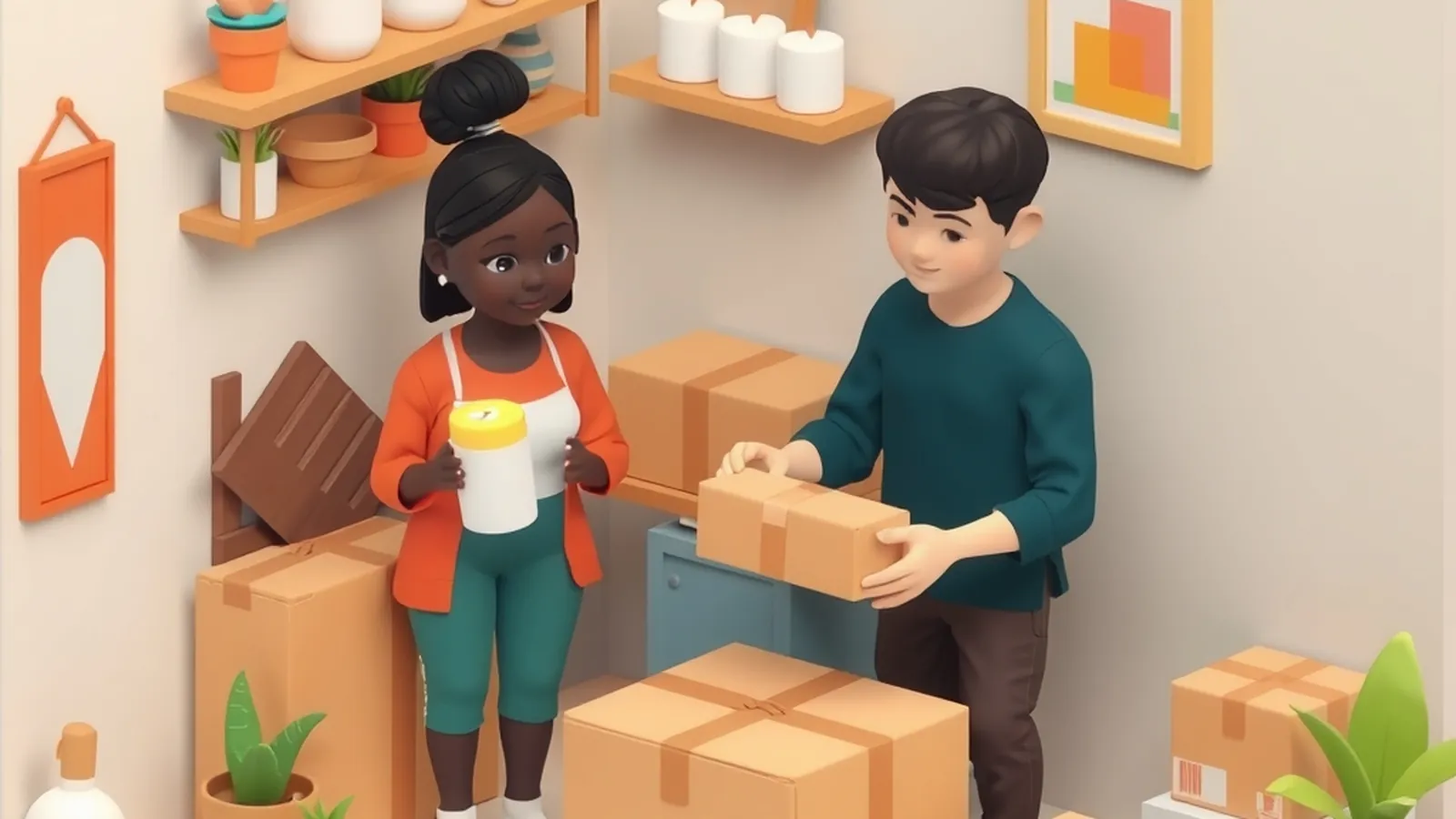
E-commerce means selling physical or printed products online, either from your own store or through a marketplace like Etsy or Amazon. It is one of the most concrete online businesses you can run, because you can hold the product in your hand. It also comes with real costs, real customers and real logistics. The guides below take you from picking a first product to shipping it, pricing it and handling returns.
If you came here after an ad showing a stranger's store dashboard, take a breath. Those ads tend to skip the hard parts. Most new stores make few sales at first, and many never earn much. That is not a reason to skip e-commerce. It is a reason to start slowly and spend carefully.
 Start an Online StorePick a product, choose a store or marketplace, set up the basics and open with a small first batch.
 Dropshipping ExplainedHow dropshipping works, why it's often oversold, and how to judge suppliers before customers depend on them.
 Print on DemandHow print on demand works, how to plan designs for a real audience and why rights to your artwork matter.
 Selling on EtsyWhat belongs on Etsy, how to set up a shop and how to write listings and photos that answer buyers' questions.
 Selling on AmazonSeller accounts, Fulfillment by Amazon versus shipping yourself, and the questions to answer before you list.
 Product ResearchRead demand signals, mine buyer complaints and score each idea before you spend money on stock.
 Product PhotosWindow light, a plain backdrop and a short shot list are enough to make honest, clear product photos.
 Pricing ProductsAdd up every cost, decide what each sale must leave you, then check value and test with care.
 Shipping BasicsPackaging, rates in general, who pays and delivery promises you can actually keep.
 Return PolicyWhat a clear return policy covers, a fill-in template and sample wording you can adapt.
 E-commerce MarketingPick one main channel, build an email list and test ads small before you spend more.
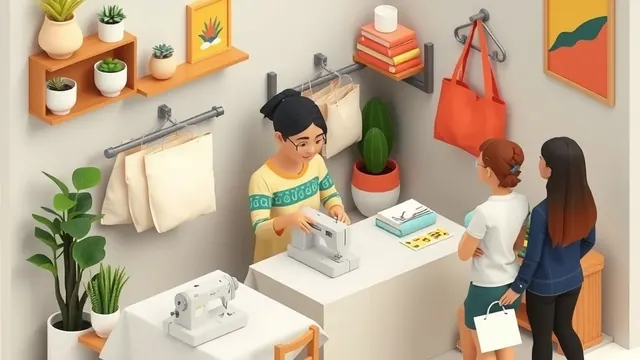 Handmade BusinessChoose a product you can make well, price your time honestly and sell in person and online.
Which way of selling fits you?
There are a handful of common setups. You can mix them later, but most people do best picking one to start.
| Setup | What you handle | What someone else handles | Good fit if you |
|---|---|---|---|
| Your own store | Products, site, marketing, shipping | Store platform runs the software | Want control over brand and customer list |
| Marketplace shop | Products, listings, shipping | Marketplace brings shoppers and sets rules | Want to test demand without building traffic first |
| Dropshipping | Store, marketing, customer service | Supplier holds stock and ships | Accept thin control over quality and delivery |
| Print on demand | Designs, listings, marketing | Printing partner makes and ships each order | Have artwork or design skills |
| Handmade | Making, photos, listings, shipping | Very little, unless you hire help | Already make things people ask to buy |
No row is the "best" one. Each trades money, time and control in a different way.
A sensible order of steps
- Find a product people already want. Our guide to product research shows how to read demand signals before you spend. It pairs well with our steps to validate a business idea in the Getting Started section.
- Choose where to sell. A marketplace gets you in front of shoppers faster. Your own store gives you more control. The online store guide walks through both.
- Take clear photos and write honest listings. Shoppers can't touch the product, so photos and words do that job.
- Price for profit, not just for sales. Count every cost, including the ones that hide in shipping, packaging and returns.
- Set up shipping and a return policy before your first order. Decide now, while things are calm.
- Market a little, every week. Steady, modest effort usually beats one big launch.
What e-commerce really asks of you
Selling products is a real business with moving parts. Here is what tends to surprise people.
- Cash goes out before it comes in. Samples, inventory, packaging and tools often get paid for before a single sale.
- Customers expect fast answers. Questions about sizes, delays and damaged items arrive at all hours. Our marketing section has a guide to customer service that helps here.
- Returns are part of the deal. Some items will come back. Plan for it in your pricing.
- Taxes and paperwork apply. Product sales can bring income tax and, in many places, sales tax duties. Rules vary by state, so talk to a tax professional. Our side hustle taxes guide covers the basics.
- Platforms change their rules. Marketplaces and store platforms update their policies and costs. Read the current terms yourself rather than trusting an old video.
Three example starting points
These are fictional examples, not typical results.
- Example: a nurse who works nights might open a small Etsy shop selling the hand-poured candles they already make for friends, listing a few scents at a time.
- Example: a graphic designer with a full-time job might test print on demand with a short run of designs aimed at one hobby group they belong to.
- Example: a parent who flips thrift-store finds might list a handful of sturdy kitchen items on a marketplace to learn how shipping and questions work before committing more time.
Each one starts with something they already have: a skill, a product or a community. That is often the most affordable way in.
A note on courses and "store in a box" offers
E-commerce attracts a lot of paid programs that promise winning products, done-for-you stores or quick results. Some teach useful skills. Many lean on screenshots, countdown timers and pressure. Before you pay for anything, read our section on choosing a program, which explains how to judge a course and spot the warning signs.
Start with one small step today
Write down three products you already know well, either because you make them, use them daily or keep recommending them to friends. For each one, note who buys it and what problem it solves. That short list is your first piece of product research, and it costs nothing.
Want a step-by-step business course?
Some people like the structure of a paid guide. This button opens a third-party online business program from one of our advertising partners. Results vary and most people earn little or nothing at first. Its claims are its own, not ours, so weigh them against our red flags checklist.
See the partner program →We may be paid when you click. The program shown can change. Read its terms before you buy anything. How this works
Frequently asked questions
Is e-commerce a good first online business?
It can be, if you like working with real products and don't mind handling packages, questions and returns. It usually takes more upfront money and more ongoing work than people expect, and results vary widely, so start small and test before you buy much inventory.
Do I need my own website to sell products online?
No. Many sellers start on a marketplace such as Etsy or Amazon, where shoppers are already browsing, and add their own store later. Others start with a hosted store platform. Each path has trade-offs in control, cost and competition.