How to Sell on Etsy: Shop Setup, Listings and Photos
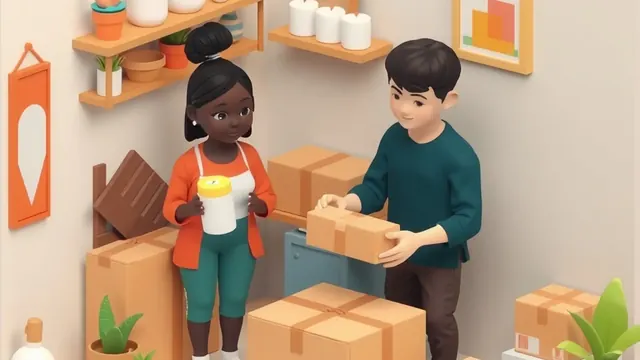
To sell on Etsy, make sure your items fit its focus on handmade, vintage or craft supplies, open a seller account, set up your shop policies, and list a few products with clear photos and honest, specific descriptions. Then keep improving listings based on what shoppers ask and do. Etsy can be a good place to test handmade goods, because buyers come there looking for that kind of thing.
It's one of the marketplace options we cover in the E-commerce section, and this page is where we explain Etsy's basics in the most detail.
What Etsy is for
Etsy is a marketplace for handmade, vintage and craft-supply items, and it has its own seller policies. That focus is the most important thing to understand before you open a shop. It shapes who browses, what they expect and what you're allowed to list.
In practice, that means three broad kinds of shops:
| Shop type | Examples | What buyers expect |
|---|---|---|
| Handmade | Candles, jewelry, pottery, woodwork, knitwear | Care, character, a maker behind the item |
| Vintage | Older clothing, dishes, décor, collectibles | Honest condition notes and a story |
| Craft supplies | Beads, fabric, patterns, tools, dyes | Clear specs, sizes and quantities |
Etsy's policies describe what counts in each category and how you must describe the way items are made, including if anyone helps you produce them. Those rules can change, so read the current seller policies on Etsy itself before you list. If your idea is generic products bought from a supplier, Etsy may not be the right home for it. Our guide to print on demand explains how printed designs can fit some marketplaces and what to check first.
Step 1: Set up your shop
Before you list anything, gather these:
- Shop name. Short, easy to spell and not too similar to another brand.
- About section. A few honest sentences about who you are and how you make or find your items.
- Shop policies. Processing time, shipping, returns and exchanges, and how you handle custom orders.
- Payment and identity details. Etsy will ask for these during setup. Enter them yourself on Etsy's own site.
- A simple cost sheet. Materials, packaging, shipping, your time and Etsy's current fees. Check Etsy's pages for what those fees are now.
Selling on Etsy is still a business. You may owe taxes on your profit, and rules vary by state. Our guide to side hustle taxes covers the basics, and a tax professional can help with your situation.
Step 2: Write listings that answer questions
A good listing does the job of a friendly person behind a market table. It tells shoppers what the item is, who it's for and what they need to know before buying.
Title. Lead with the plain name of the item, then add the details a shopper would type: material, size, style or use. Avoid stuffing it with repeated words.
Description. Use short sections:
- What it is and what it's made from
- Size, weight and color notes (screens show color differently)
- How it's made, or the era and condition for vintage
- Care instructions
- Processing and shipping time
- What's included in the package
Tags and categories. Pick the ones a real buyer would use to find your item. Think of the words your customers use, not the words makers use.
A listing template you can copy and fill in:
Step 3: Take photos that do the selling
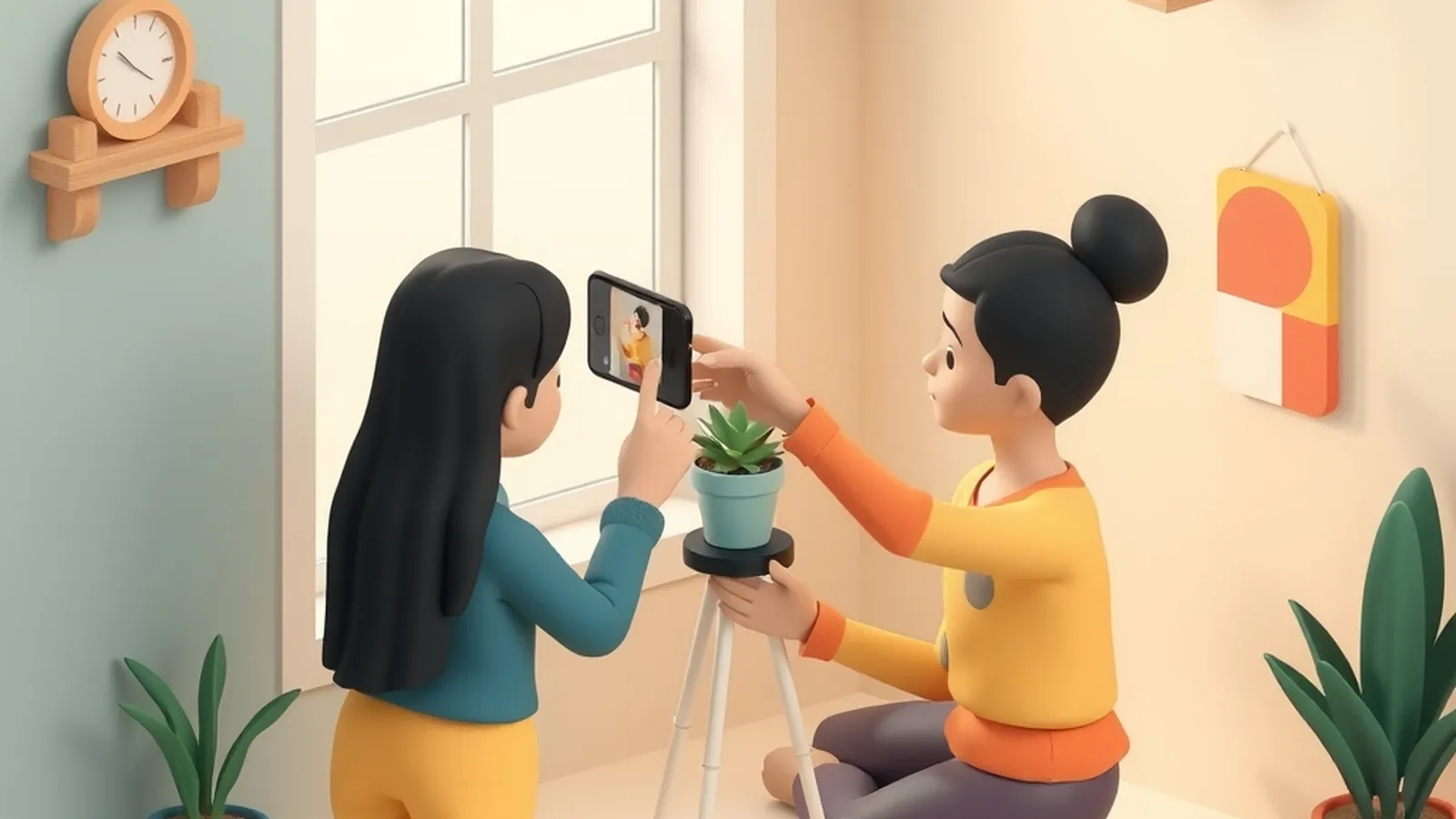
On Etsy, photos often decide whether a shopper clicks. You don't need fancy gear.
- Use soft daylight near a window, not a harsh overhead light.
- Show scale. Put the item in a hand, on a table or next to a familiar object.
- Show every angle, plus close-ups of texture, seams or any flaws.
- Show it in use. A mug with coffee, a scarf being worn, a print on a wall.
- Keep backgrounds calm so the item stands out.
- Be honest about vintage condition. Photograph scratches and wear clearly.
Your Etsy photos can do double duty. If you also take custom orders or commissions, a set of strong, consistent photos works as a portfolio. Our freelancing guide on how to build a portfolio shows how to organize work samples so new clients can see your range quickly.
Step 4: Improve as you learn
Once listings are live, watch for signals:
- Views but no favorites may mean the photo or price isn't connecting.
- Favorites but no sales may mean a question is unanswered. Look at shipping time, sizing or price.
- Repeated messages asking the same thing means that answer belongs in the listing.
Change one thing at a time so you can tell what helped.
Etsy compared with other options
Etsy suits makers, vintage sellers and supply shops. If your products are mass-produced or you want a fulfillment service to handle shipping, selling on Amazon may fit better, with its own rules and trade-offs. Either way, it pays to run some product research before you make a big batch, so you can see whether buyers already search for what you plan to sell.
Things to avoid
- Fake or paid reviews. The FTC now bans buying or faking reviews, and they wreck buyer trust. Our guide to getting reviews shows how to ask real buyers politely instead.
- Other people's photos or designs. Use your own work.
- Vague descriptions to hide flaws. It leads to returns and bad feedback.
- Overpromising shipping. Pick a processing time you can hit on your busiest week.
A worked example
Example only: Sam is fictional, and this isn't a typical result.
Sam makes ceramic planters on weekends. They open a shop with four listings, each photographed by a window with a small plant inside for scale. Early messages ask whether the planters have drainage holes, so Sam adds that detail to the first line of every description. A buyer mentions the gray glaze looked bluer in person, so Sam adds a note about screen color and a daylight photo. Sales stay modest, and Sam uses each month's notes to decide which shapes to keep making.
Your task for today
Pick one item you'd sell on Etsy. Fill in the listing template above with real details, then take three photos of it by a window: one full view, one close-up and one showing scale. You'll have a nearly finished listing before you even open the shop.
Want a step-by-step business course?
Some people like the structure of a paid guide. This button opens a third-party online business program from one of our advertising partners. Results vary and most people earn little or nothing at first. Its claims are its own, not ours, so weigh them against our red flags checklist.
See the partner program →We may be paid when you click. The program shown can change. Read its terms before you buy anything. How this works
Frequently asked questions
What can you sell on Etsy?
Etsy is a marketplace for handmade, vintage and craft-supply items, and it has its own seller policies that define what fits each category. Read those policies on Etsy before you list, because they decide whether your items are allowed.
How much does it cost to sell on Etsy?
Etsy charges sellers fees, and the types and amounts can change. Check Etsy's current fee and payment pages before you set prices, and build every fee into your costs so each sale still makes sense for you.
How do I get my first Etsy sale?
There's no sure method, and many new shops wait a while. Clear photos, specific titles and descriptions that answer real questions help, as does sharing your shop with people who already know your work. Avoid buying reviews or using fake accounts to boost your shop.