Marketing & Sales: Finding Customers and Earning Their Trust
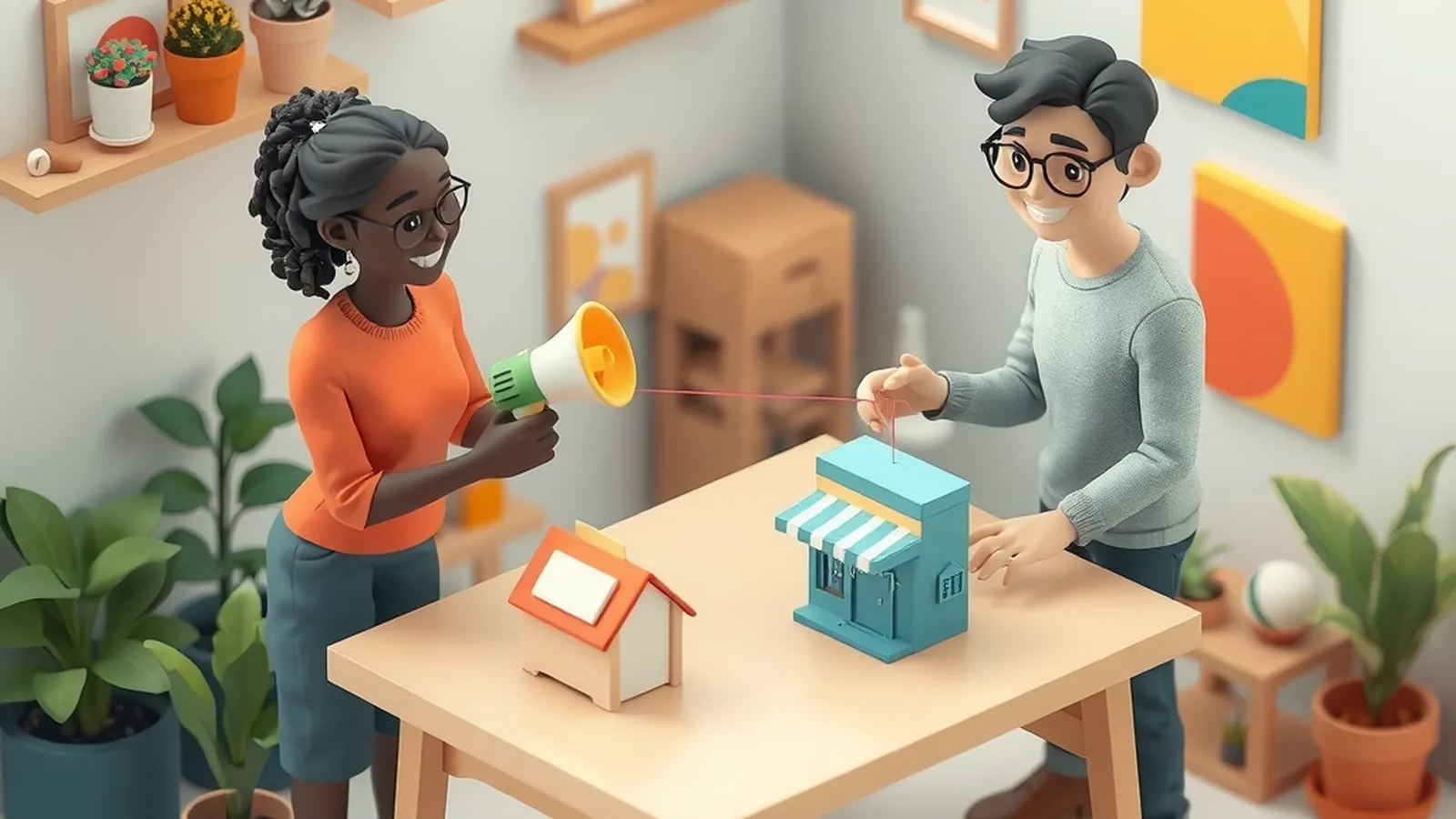
Marketing is how the right people find out you exist, understand what you offer and decide whether to trust you. Sales is the moment they decide to buy, and the care you take so they feel good about it afterward. For a small online business, both come down to the same habit: learn what your customers need, then tell them the truth about how you can help.
You don't need a big budget, a clever slogan or a pushy script to do this well. You need a clear picture of who you serve, a few honest words that explain your offer, one or two places to show up consistently, and a simple way to see what's working. The guides below walk through each piece in plain language, with templates and examples you can use this week.
 Marketing BasicsAudience, message, channel and measurement: the four decisions behind every simple marketing plan.
 Customer ResearchInterview scripts, survey questions and review mining to learn what your customers really want.
 Copywriting BasicsClear headlines, real benefits, honest proof and the FTC's truth-in-advertising basics.
 Email MarketingGrow a list with permission, write a simple welcome sequence and follow the CAN-SPAM Act.
 Sales FunnelThe stages from stranger to customer, with simple examples and a firm line against pressure tactics.
 Landing PagesPick one goal, follow a simple structure and test one change at a time.
 Paid Ads BasicsWhen paid ads make sense for a small business, and how to run a careful first test without overspending.
 Branding BasicsHow to give a small business a clear name, voice and look that people recognize and trust.
 Conversion Rate BasicsHonest ways to help more visitors take action: clearer pages, real trust signals, faster loading and simple tests.
 Customer ServiceHow to set response times, handle refunds and complaints, and answer customers well when you're a team of one.
 Getting ReviewsWhen and how to ask for reviews, scripts to copy, replying to criticism and why fake reviews are banned.
How the pieces fit together
It helps to see marketing as a short chain rather than a pile of separate tasks. Each link depends on the one before it.
| Step | The question it answers | Where to start |
|---|---|---|
| Research | Who is this for, and what do they actually want? | Customer research |
| Message | How do I explain the offer clearly and honestly? | Copywriting basics |
| Channel | Where will these people hear from me? | Email marketing |
| Path | What happens between "just curious" and "ready to buy"? | What a sales funnel is |
| Page | Where do people take the next step? | Landing pages |
| Trust | Why should anyone believe me? | Getting reviews |
If you skip the first link, the rest tend to wobble. A beautiful landing page can't fix an offer nobody asked for, and ads only send more people to a message that may not be landing yet.
What honest marketing looks like
A lot of online business advice treats marketing as a set of tricks: countdown timers that reset, inflated "before" prices, screenshots of income that may not be real. Those tactics can get a click. They also chip away at the trust a small business depends on, and some of them can cross legal lines.
Honest marketing is quieter and lasts longer. It sounds like this:
- Specific about who it's for. "Meal plans for night-shift nurses" beats "healthy eating for everyone."
- Clear about what you get. Format, scope, what's included and what isn't.
- Careful with claims. You describe what your product does, not what it will do for someone's bank account or body.
- Easy to say no to. No fake deadlines, no guilt, no hiding the unsubscribe link.
- Open about relationships. If you earn a commission or got something free, you say so near the recommendation.
The legal side matters too. Advertising has to be truthful and backed by evidence, commercial email has rules, and fake reviews are banned. Each of those gets a full explanation on the page where it fits best, starting with copywriting basics for truth in advertising. These pages are general education, not legal advice, so check current rules and talk to an attorney if you're unsure about your situation.
Marketing looks different for each business model
The basics stay the same, but the details shift depending on what you sell.
- Affiliate marketers recommend other people's products, so trust is the whole business. Clear disclosure is required, and our guide to affiliate disclosure explains what that looks like.
- Online store owners need good photos, fair policies and steady ways to bring shoppers back. See marketing an online store for channel ideas specific to products.
- Freelancers often win work through relationships and direct outreach. Finding freelance clients has scripts for that.
- Content creators build an audience first and sell later. Building an audience covers the slow, steady side.
- Digital product sellers lean heavily on email and a strong sales page. Sales page basics goes deep on that page.
A realistic note about results
Nobody can promise how many customers or sales a marketing plan will bring. Results vary widely, and many new businesses see little response at first while they learn what their audience cares about. That's normal, not a sign you've failed. Treat early marketing as an experiment: try one thing, watch what happens, adjust, and try again.
If someone is selling you a marketing system that promises fast, effortless sales, slow down. Our guide to choosing a program explains how to judge courses and coaches, and what warning signs to watch for before you spend money.
Where to begin today
Pick one person who fits your ideal customer and ask them three questions: what they're struggling with, what they've already tried, and what made them give up on it. Write down their exact words. Then read marketing basics for a simple plan that turns those notes into your first message and first channel.
Want a step-by-step business course?
Some people like the structure of a paid guide. This button opens a third-party online business program from one of our advertising partners. Results vary and most people earn little or nothing at first. Its claims are its own, not ours, so weigh them against our red flags checklist.
See the partner program →We may be paid when you click. The program shown can change. Read its terms before you buy anything. How this works
Frequently asked questions
What should a new online business do first for marketing?
Talk to the people you want to serve before you spend anything. A handful of honest conversations will tell you what words to use, where those people spend time and what they worry about, which shapes every other marketing choice.
Do I need to pay for ads to get customers?
No. Many small businesses start with free channels like email, helpful content, referrals and direct outreach. Ads can help later, once you know your offer works and you can measure what happens after someone clicks.