Dropshipping Explained: How It Works and Whether It's Worth It
Dropshipping is a way of selling where you list products in your store, take the order and payment, and a supplier ships the item straight to your customer. You never hold inventory. It can work as a low-stock way to test products, but it's often oversold as easy money, and the trade-offs in quality, delivery and customer trust are real. Whether it's worth it depends on how much control you're willing to give up.
It's one of several models covered in our E-commerce section, and comparing it with the others before you commit is the smartest first move.
How dropshipping works, step by step
- You find a supplier who offers dropship fulfillment for products you want to sell.
- You add those products to your store with your own photos, descriptions and price.
- A customer orders and pays you.
- You pass the order to the supplier and pay them their price.
- The supplier packs and ships the item to the customer.
- You handle the customer's questions, delays, complaints and returns.
Your margin is the gap between what the customer pays and what you pay the supplier, minus platform costs, payment processing, ads, refunds and your time. That gap is often thinner than the ads suggest.
Why dropshipping is often oversold
You've probably seen videos promising a "winning product" and a store that runs itself. Here's what those pitches tend to leave out.
- Many sellers can list the same item. If the product is easy to find, competitors can find it too, and price becomes the main way to compete.
- Traffic isn't free. Without an audience, many dropshippers rely on paid ads, which can cost more than they bring in.
- The store doesn't run itself. Customer messages, tracking questions and refund requests keep coming.
- The person selling the course may earn more from the course than from stores. That's worth noticing.
If a pitch leans on income screenshots, fake urgency or "only a few spots left," read our guide to make-money-online red flags before you pay for anything.
The honest pros
Dropshipping does have real advantages, and it's fair to name them.
- Low inventory risk. You don't buy stock that might never sell.
- Easy to test. You can try a product idea without filling a garage.
- Location-flexible. You can run it from anywhere with an internet connection.
- Wide choice. You can test different products without large commitments.
The honest cons
| Problem | Why it happens | What it means for you |
|---|---|---|
| Quality you can't see | You don't touch the product before it ships | Complaints land on you, not the supplier |
| Slow or unclear delivery | Suppliers may be far away or overloaded | You must set honest delivery expectations |
| Stock surprises | Supplier runs out without warning | You may have to cancel paid orders |
| Thin margins | Many sellers, price competition, ad costs | Each refund hurts more |
| Weak brand | Generic products, generic packaging | Harder to earn repeat buyers |
| Supplier risk | You depend on one business you don't control | Their problems become your reputation |
None of these makes dropshipping impossible. They make it a real business with real risk, not a shortcut.
Supplier risk: how to vet a supplier
Your supplier is your warehouse, your packer and your shipping department. Treat choosing one like hiring.
- Order samples yourself. See the product, packaging and delivery time with your own eyes.
- Ask direct questions. How do they handle damaged items, lost packages and returns? How do they tell you about stock changes?
- Test their communication. Send a question and see how fast and clearly they reply.
- Read their terms in full. Look for return windows, who pays return shipping and what happens with defective items.
- Have a backup. If one supplier fails, can another ship the same thing?
A short script you can adapt when contacting a supplier:
Customer experience is your job
To your buyer, there's no supplier. There's only you. A few habits protect your reputation:
- Write honest delivery estimates based on your own test orders, not the supplier's best case.
- Use your own photos where you can, or photos you have clear permission to use.
- Describe the product accurately. Size, materials and what's in the box. Advertising must be truthful and claims need backing, so skip words like "premium" unless you can show why.
- Answer messages quickly and kindly, even when the problem started with the supplier.
- Refund fairly when something goes wrong, then fix the cause.
How dropshipping compares with nearby models
If you like the low-inventory idea but want more control over the product, print on demand lets you sell your own designs with a printing partner handling production. If you make or source unique items, selling on Etsy is worth a look, though Etsy is built for handmade, vintage and craft-supply goods, so generic dropshipped products may not fit its rules. And if you're still deciding on your overall setup, our guide on how to start an online store lays out every sourcing option side by side.
A worked example
The seller below is made up, and their experience isn't typical.
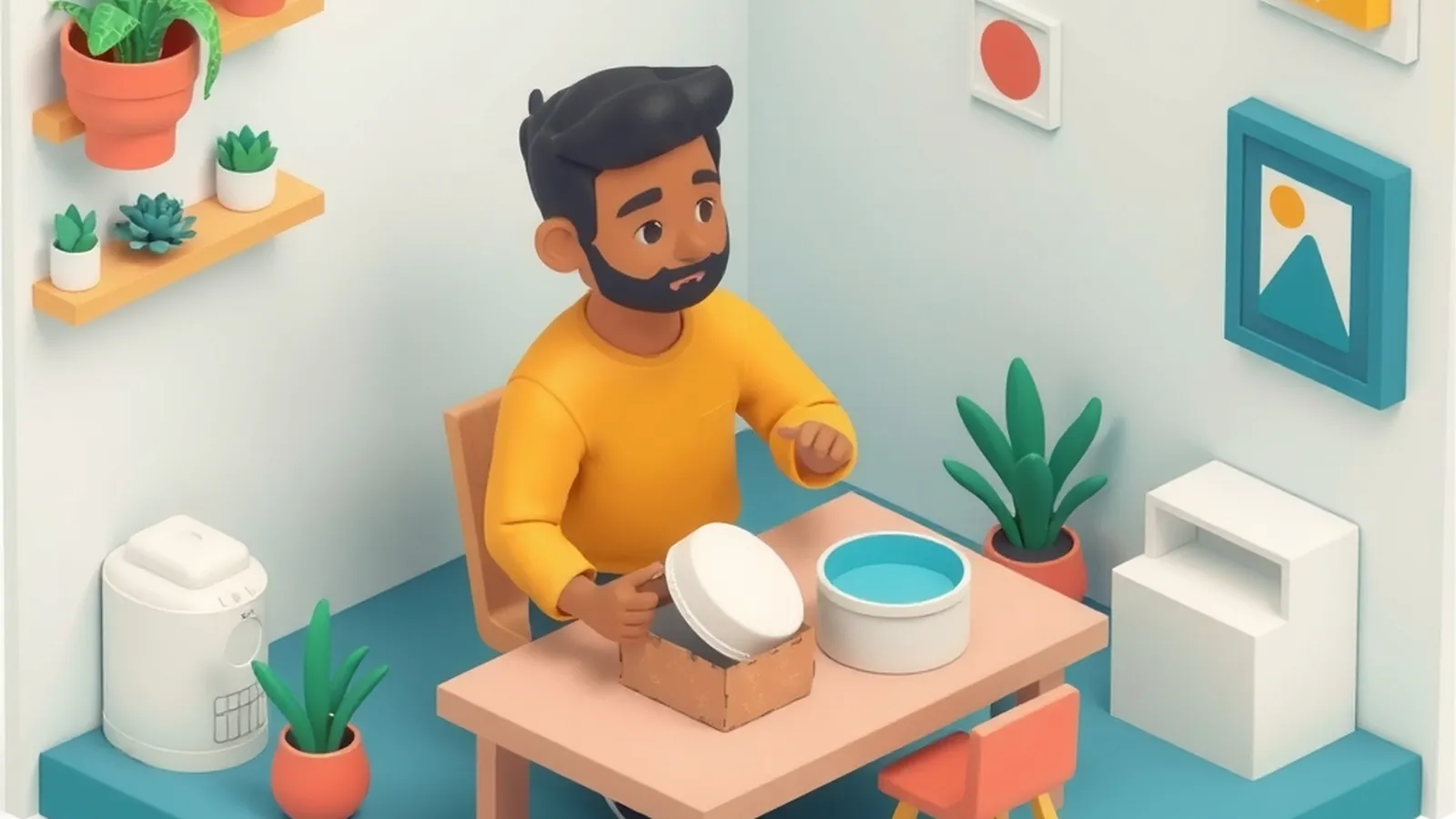
Priya wants to test pet travel bowls. They find two suppliers and order a sample from each. One arrives quickly and well packed. The other arrives late with a cracked lid. Priya picks the first supplier, lists the bowl with photos of the actual sample, and sets a delivery estimate a few days longer than their test order took. When a buyer reports a leak, Priya refunds them, asks the supplier for a replacement policy in writing and adds a note about lid fit to the listing. They keep spending on ads small until they can see whether customers come back.
Your task for today
Before you build any store, write answers to these five questions:
- What exact product would I sell, and why would someone buy it from me instead of another seller?
- Which supplier would ship it, and have I seen a sample?
- What delivery time can I honestly promise?
- Who pays when an item arrives broken?
- How will people find my store if I don't spend on ads?
If any answer is "I don't know," that's your next step, and it's far cheaper to find out now than after the first complaint.
Want a step-by-step business course?
Some people like the structure of a paid guide. This button opens a third-party online business program from one of our advertising partners. Results vary and most people earn little or nothing at first. Its claims are its own, not ours, so weigh them against our red flags checklist.
See the partner program →We may be paid when you click. The program shown can change. Read its terms before you buy anything. How this works
Frequently asked questions
Is dropshipping legal?
Dropshipping as a business model is generally legal in the US, but you are still the seller. That means you are responsible for honest product descriptions, accurate delivery information, refunds and following the rules of any platform you sell on. Talk to an attorney if you have questions about your situation.
Can you start dropshipping with no money?
You can start with very little inventory cost, but not with no cost. Most people pay for a store platform, test orders, product samples and marketing, and those costs can add up quickly before any sales arrive.
Who handles returns in dropshipping?
In the customer's eyes, you do. Even if the supplier ships the item, the buyer contacts your store, and you have to sort out the refund or replacement with them and with your supplier. Check a supplier's return terms before you list their products.