How to Start a Handmade Business
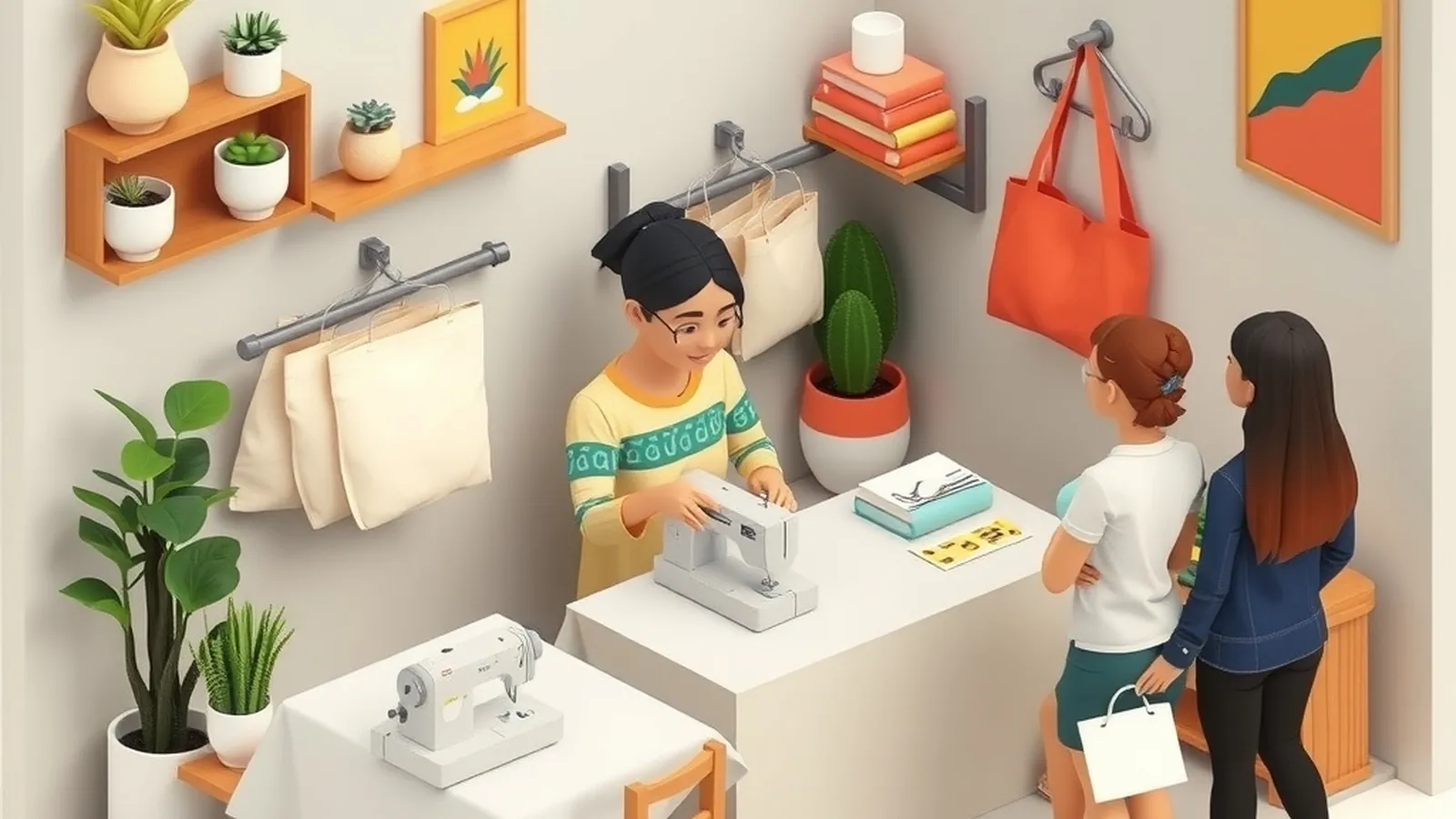
To start a handmade business, choose one product you can make well and repeat, figure out your true cost including your time, make it in small batches, and test it with real buyers at local markets and online. Grow only after you know people will pay a price that respects your work. Results vary widely, and many makers earn little at first, so treat the first months as learning.
Handmade selling is the most hands-on path in our E-commerce section. You control quality and the story behind every item, and you also carry the hours. This guide focuses on making those hours count.
Step 1: Pick a product you can repeat
A hobby is making whatever you feel like. A business is making something people want, again and again, at a steady quality. Ask:
- Can I make it consistently? The tenth one should look like the first.
- Can I get the materials reliably? A one-off thrift find doesn't scale.
- Does it ship well? Fragile, heavy or perishable items add cost and risk.
- Is there a clear buyer? "Gift for a new gardener" is easier to sell than "nice thing."
- Are there special rules? Food, cosmetics, candles and children's products can carry extra safety or labeling requirements. Check your state and local rules before you sell.
Start with one product line, maybe in a few colors or sizes. You can expand once you know what sells.
Step 2: Price your time honestly
This is where most makers go wrong. They price to match mass-produced goods and end up working for very little. Pricing handmade work is close to pricing a service, because your hours are the product. Our guide to pricing your services explains how to think about your time, and the same logic applies here.
A simple formula:
| Part | What to count |
|---|---|
| Materials | Everything that goes into one item |
| Packaging | Box, wrap, labels, inserts |
| Selling costs | Platform, payment and market booth fees, spread per item |
| Your time | Hours per item times a wage you choose |
| Profit | What the business keeps to grow |
Time yourself making a batch, then divide by the number of items. You'll likely find it takes longer than you thought. If the final price feels too high for buyers, don't just lower it. Look for ways to simplify the design, reduce steps or switch to a product with better value for the time.
Step 3: Work in batches
Batching means doing the same step for many items at once: cut all the pieces, then sew all the seams, then finish all the edges. It saves setup time and makes quality more even.
Example batch plan for a maker who sews tote bags (made up, adjust to your craft):
- Session one: cut fabric for 12 bags.
- Session two: sew all handles and pockets.
- Session three: assemble and finish every bag.
- Session four: photograph, list and pack.
Batching also helps you know your stock. When you sell out, you know how long the next batch will take, and you can tell buyers honestly.
Step 4: Test with real buyers
Before you spend on a website or big supply orders, find out who buys.
Local markets and fairs. Craft fairs, farmers markets and pop-ups let you watch people pick up your work. Note what they touch first, what questions they ask and what they put back down. That feedback is hard to get any other way.
Friends of friends. Tell people what you make and ask if they know anyone who'd want one. Ask buyers for honest feedback, not compliments.
Online marketplaces. Etsy is a marketplace built for handmade, vintage and craft-supply items, and it has its own seller rules. Our guide to selling on Etsy covers how to list there.
Your own store. A store on your own site gives you more control over branding and customer relationships but you'll need to bring your own traffic. See how to start an online store when you're ready.
Handmade vs. dropshipping
Some people weigh handmade against dropshipping. The difference is control. With handmade, you control quality and shipping, and your time is the bottleneck. With dropshipping, a supplier makes and ships the item, so you have less control over quality and delivery. Our guide on dropshipping explains the trade-offs. Some makers do both, but buyers should always know what they're getting. Never call factory items handmade.
Step 5: Tell your story, honestly
Buyers of handmade goods often care about who made it and how. Share your process in photos and short videos, explain your materials, and show your workspace if you're comfortable. Our guide to e-commerce marketing shows how to turn that into email and social content without making every post a sales pitch.
Keep claims accurate. "Hand-sewn in my home studio" is a strong, true line. "Eco-friendly" or "non-toxic" need real evidence behind them.
Protect your energy
Handmade work can take over evenings and weekends. Set limits:
- Decide how many hours a week you'll make, sell and pack, and stick to it most weeks.
- Close custom orders when you're full instead of promising impossible dates.
- Raise prices when demand outpaces your hours, rather than working longer.
If the pressure starts to affect your sleep, health or relationships, it's a sign to slow down. A licensed therapist can help if stress feels heavy.
Watch out for maker "programs"
You may see ads promising a handmade empire if you just buy a course or supply kit. Be careful with anything that shows income screenshots, pushes you to buy fast or asks you to recruit others. Our red flags checklist explains the warning signs the FTC describes.
The paperwork side
Once you're selling regularly, keep records of materials, fees and sales. Income from handmade sales can be taxable; our guide to side hustle taxes covers the basics. This page isn't tax or legal advice, so check with an accountant or tax professional about your situation.
Do this today
Time yourself making one item from start to finish. Write down every material and its cost. Then use the pricing table above to calculate a price that pays you for that time. Compare it with what you planned to charge. That one number will tell you a lot about whether this product can become a business.
Want a step-by-step business course?
Some people like the structure of a paid guide. This button opens a third-party online business program from one of our advertising partners. Results vary and most people earn little or nothing at first. Its claims are its own, not ours, so weigh them against our red flags checklist.
See the partner program →We may be paid when you click. The program shown can change. Read its terms before you buy anything. How this works
Frequently asked questions
How do I price handmade items?
Add materials, packaging and selling costs, then add your time at an hourly wage you choose, plus some profit. If buyers won't pay that, simplify the design, speed up your process or try a different product rather than working for free.
Do I need a business license to sell handmade items?
It depends on your state, county and city, and on what you make. Some products, like food, cosmetics or children's items, can have extra rules. Check with your local government and talk to an attorney or accountant if you're unsure.
Should I sell at markets or online first?
Many makers start with local markets or friends because face-to-face feedback is fast. Online selling reaches more people but takes longer to build. Doing a bit of both helps you learn what buyers want.