Free Small Business Resources
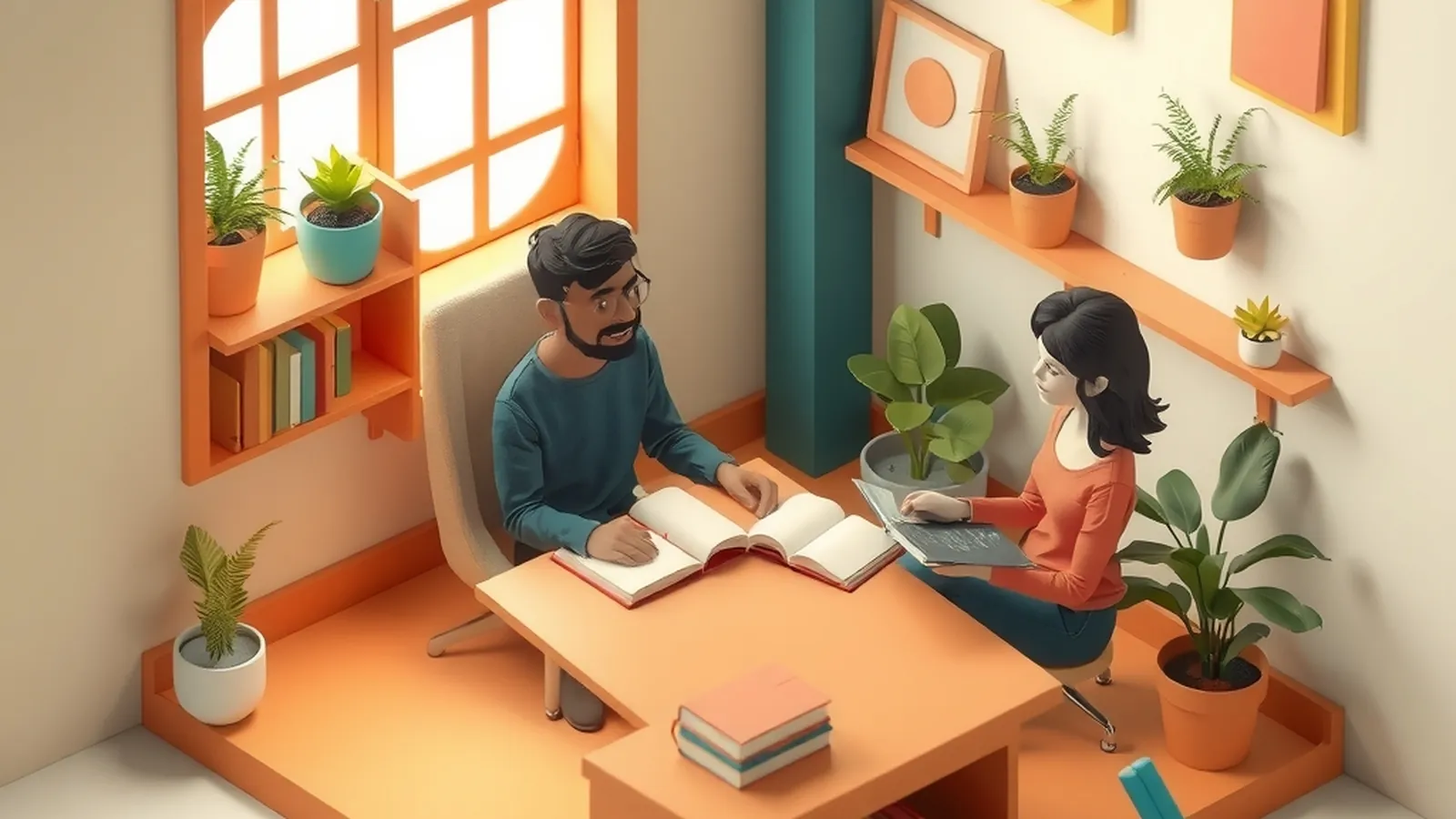
The best free small business resources are SCORE, which offers free mentoring, Small Business Development Centers, which offer free or low-cost advising, the U.S. Small Business Administration's own guides, your public library, and free online lessons. Used together, they can cover most of what a beginner needs to plan, test and launch an online business. Start with them before you pay for any course or coach.
You'll find this guide in our section on choosing a program, which explains how to judge paid training. Free help isn't a shortcut to money, and results still vary widely. What it does is let you learn, ask questions and make mistakes without spending much.
SCORE: free mentoring
SCORE is a nonprofit organization and a resource partner of the U.S. Small Business Administration. It offers free business mentoring. In practice, that means you can ask to be matched with a volunteer mentor who has business experience and talk through your plan, your offer or a specific problem.
How to get the most from a mentor:
- Bring one clear question. "Is my idea good?" is hard to answer. "I want to sell printable planners to new teachers. How should I test demand before I design ten of them?" is easy to work with.
- Say your business is online. Ask for someone who understands e-commerce, freelancing or content if possible.
- Share a one-page plan. Our guide to writing a one-page business plan gives you a template that fits on a single sheet, which makes a first meeting much more useful.
- Follow up. Send a short thank-you note with what you'll try next. It keeps you accountable and makes the next meeting easier.
Mentors share experience and opinions. They're not a replacement for an accountant or attorney, and you should still make your own decisions.
Small Business Development Centers
Small Business Development Centers, usually called SBDCs, offer free or low-cost advising to people starting or growing a small business. Each center is run locally, and what each one offers can vary.
Advising from an SBDC can be useful when you want to go through practical questions with someone, such as:
- how to organize a simple budget and track costs
- what records to keep from the start
- what questions to bring to a tax professional
- how to think about pricing and your first customers
Search for the SBDC that serves your area, check its current services, and ask whether it offers online or phone appointments.
The U.S. Small Business Administration
The U.S. Small Business Administration, or SBA, is the federal agency that supports small businesses. Its website is a reasonable starting place for general guides on planning and starting a business, and it can point you toward local help like SCORE and SBDCs. Read anything you find there as general information, and confirm rules for your own state.
Your public library
Libraries are easy to overlook. Depending on your library, you may find:
- free business, marketing and design books, including ebooks and audiobooks
- computers, printers and quiet rooms for client calls
- workshops or events for small business owners
- research help from a librarian who can show you what the library offers
Ask at the desk or check your library's website. Services differ from place to place, so it's worth a quick question.
Free online courses and lessons
Many universities, nonprofits and well-known platforms publish free lessons on marketing, writing, design and basic business skills. Some major platforms, such as YouTube, Etsy and Shopify, also offer free help pages and learning material for their own users. Treat these as general education, and check each platform's current terms for rules that affect you.
Use the same care with free content as with paid. A free webinar that ends in a hard pitch for an expensive program deserves the same scrutiny as any sales page. Our list of red flags covers the tactics that show up most often, from income screenshots to countdown timers.
Official sources for rules and taxes
When a question involves taxes, disclosures or email rules, go to the source:
- Taxes: the IRS publishes guidance on self-employment tax and estimated payments. Our guide to side hustle taxes explains the basics. It's general information, not tax advice.
- Advertising and disclosures: the FTC explains how to disclose affiliate links and other paid relationships. See our guide to affiliate disclosure.
- Email marketing: commercial email has legal requirements. Our guide to email marketing covers them.
A sample free learning plan
This is a fictional example. Jordan, 29, wants to start a small virtual assistant business on evenings and weekends. Here is a four-week plan using only free resources.
| Week | Free resource | Goal |
|---|---|---|
| 1 | Library books and free articles | Pick three services to offer |
| 2 | One-page plan template | Write the offer, audience and price idea |
| 3 | SCORE mentor meeting | Get feedback on the plan |
| 4 | SBDC advising session | Ask about records, budgeting and next steps |
By the end, Jordan has a plan, two rounds of feedback and a short list of questions for a tax professional. They also read our guide to becoming a virtual assistant for service ideas. If they still want paid help after this, they'll know exactly what to look for.
When it might be time to pay
Free help has limits. Volunteer schedules can be busy, and broad advice may not go deep enough for a specialized skill. If you've worked through the free options and still have a specific gap, compare paths with our guides on whether business courses are worth it and whether to hire a business coach. Both show how to evaluate paid help without getting swept up in hype.
Do this today
Look up SCORE and the Small Business Development Center that serves your area, and write down how to request a meeting from each. Then write one specific question you'd like to ask a mentor this month. That single question is your first step toward free, honest feedback on your idea.
Want a step-by-step business course?
Some people like the structure of a paid guide. This button opens a third-party online business program from one of our advertising partners. Results vary and most people earn little or nothing at first. Its claims are its own, not ours, so weigh them against our red flags checklist.
See the partner program →We may be paid when you click. The program shown can change. Read its terms before you buy anything. How this works
Frequently asked questions
Is SCORE mentoring really free?
SCORE is a nonprofit and a resource partner of the U.S. Small Business Administration that offers free business mentoring. Check SCORE's website for how to request a mentor and what is offered near you.
What is a Small Business Development Center?
Small Business Development Centers, often called SBDCs, offer free or low-cost advising to people starting or running a small business. Services and locations vary, so look up the center that serves your area.
Can free resources help with an online business, not just a local shop?
Yes. Planning, marketing, record keeping and pricing questions apply to online businesses too. When you contact a mentor or advisor, say up front that your business is online so they can match you with the right help.