Affiliate Marketing Without a Website: Honest Options That Work
You can do affiliate marketing without a website by sharing links through an email list, a video channel or a social media account. The work is the same as on a site: help people make a good choice, disclose your commission, and recommend only what fits. What changes is that you are building on someone else's platform, so you have to follow its rules and plan for the day those rules change.
If you are still learning how commissions, merchants and tracking fit together, the Affiliate Marketing section walks through the basics in order. This page assumes you know what an affiliate link is and want to skip the website, at least for now.
Why some people skip the website
A website is not required to earn a commission. It is one way to reach people. Skipping it makes sense when:
- You are already comfortable on camera or writing short posts.
- You want to test whether you like making content before you learn hosting and site tools.
- Your audience lives on one platform and rarely searches the web for your topic.
- You have limited hours and want one channel to manage, not two.
The tradeoff is control. A platform can change how it shows posts, limit links, or suspend an account. Your followers belong to the platform. That is why many affiliates without a site still collect email addresses early, which we cover below.
The main channels compared
| Channel | Where links go | What it suits | What to watch |
|---|---|---|---|
| Email list | Inside emails you send | Deeper advice, steady trust | Your email provider's link rules and anti-spam law |
| Long-form video | Description, pinned comment | Demos, comparisons, tutorials | Platform rules on paid partnerships and link placement |
| Short-form video | Profile link, sometimes in-app tools | Quick tips, first impressions | Links are often limited to one spot |
| Social posts | Post text, profile link, stories | Communities, visual products | Some platforms label or limit outbound links |
| Online communities | Only where moderators allow | Answering real questions | Many groups ban affiliate links outright |
| Podcast | Show notes, spoken mention | Long conversations, trust | Listeners need an easy way to find the link |
None of these is a shortcut. Each one rewards the same thing: showing up regularly with useful help.
Email: the channel you own
An email list is the closest thing to a website you can own without building one. You can collect sign-ups with a simple form page that most email services provide, then send helpful notes with an occasional, well-matched recommendation. People who join on purpose tend to read more carefully than people scrolling a feed.
Email has its own rules. Some email services restrict certain affiliate links, so read their acceptable use terms. US anti-spam law also applies to commercial email. Our guide to affiliate email marketing covers how to build a list first and recommend second.
Video: show, don't just tell
Video works well for products people want to see in use: tools, software, kitchen gear, craft supplies. A plain screen recording or a steady phone shot of your hands can be more convincing than a polished ad, because viewers see what really happens.
Before you post, learn how your platform handles links and sponsored content. Many video platforms have a setting to mark paid promotions, and some have rules about where links may appear. If video appeals to you, our guide on starting a YouTube channel covers picking a focus, basic gear and your first few videos.
Social posts and communities
Social platforms are good for quick, visual recommendations and for conversations. The catch is reach and links. Many feeds favor posts that keep people on the platform, and some put outbound links in only one place, such as your profile. Plan your posts so they are useful even if nobody clicks.
Communities, forums and groups need extra care. Most have rules against self-promotion, and dropping affiliate links into threads is a quick way to get banned and lose trust. Answer questions fully. If a link is allowed and truly helps, add it with a disclosure. If you are unsure, ask a moderator first.
Rules that follow you to every platform
Three sets of rules apply no matter where you post:
- The affiliate program's terms. Some programs limit which channels you may use, ban links in certain places, or forbid bidding on brand names. Read them before you promote.
- The platform's terms. Each site has its own policies on links, sponsored content and spam. They change, so check them every few months.
- Disclosure. The FTC expects your commission to be disclosed clearly and right next to the recommendation, in plain words. In a video, say it out loud and put it in the description. In a post, put it in the text, not only in your bio. Our affiliate disclosure guide has wording you can borrow.
Be wary of anyone selling a system that promises fast commissions from social posts alone. Our guide to choosing a business program explains how to judge those offers before you spend money.
A worked example
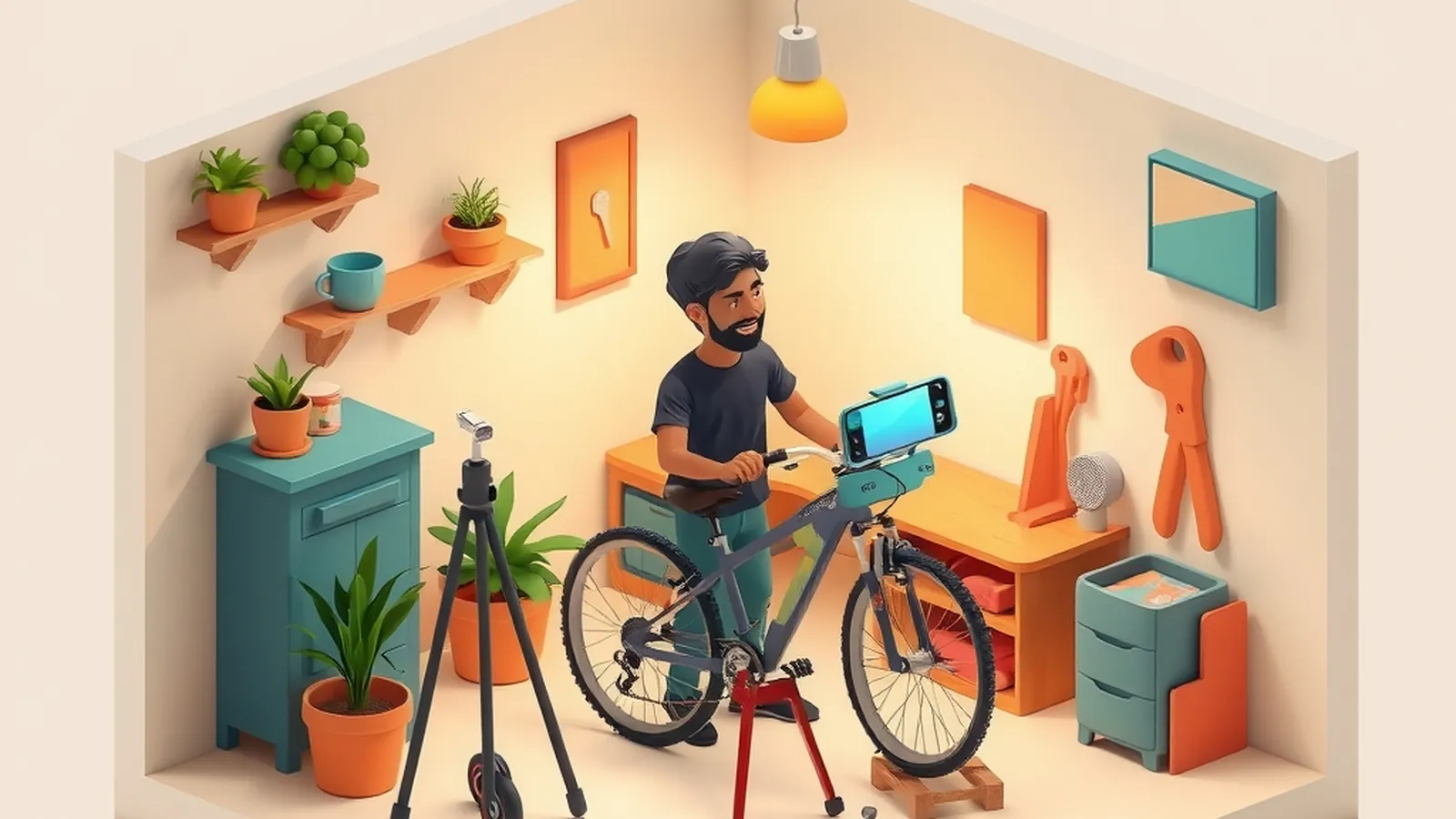
This is a fictional example, not a typical result. Jordan is a weekend bike mechanic with no website. They pick one channel, short repair videos, because they enjoy filming and already answer friends' bike questions. Each week they post one fix: a squeaky brake, a slipping chain. In the description they link the one tool they used, with a spoken and written disclosure. They also invite viewers to a free monthly email with a seasonal checklist. Months in, most of their videos earn nothing directly, and that is normal. What they have built is a small group of people who trust their repair advice, plus an email list that does not depend on any one app.
The lesson is not the numbers, which we do not know. It is the structure: one channel, one useful habit, honest links, and a list as a backup.
Choosing products when you have no site
Without a site you have less room to explain, so product fit matters even more. A short video or post can only carry one recommendation well. Pick products you have used, that solve the problem your content is about, and that have a fair refund policy. Our guide to choosing affiliate products has a checklist for this.
When a website starts to make sense
You may want a site later if people keep asking for a written version of your advice, if you want search traffic, or if a program you like requires one. You do not have to choose forever. Many affiliates start on one platform and add a simple site once they know what their audience needs. When you get there, see how to build an affiliate website.
Do this today
Spend 30 minutes on these steps:
- Write down the one channel you could publish on every week for three months.
- Find and read that platform's rules on links and paid partnerships. Save the page.
- Pick one affiliate program you are considering and read its section on allowed promotion methods.
- Write a one-sentence disclosure in your own words that you will use on every post.
- Sketch three posts or videos that would be helpful even if they had no link at all.
Results vary widely, and many people earn little or nothing for a long time, especially at first. If you treat each post as a chance to help someone, you build something worth having either way.
Want a step-by-step business course?
Some people like the structure of a paid guide. This button opens a third-party online business program from one of our advertising partners. Results vary and most people earn little or nothing at first. Its claims are its own, not ours, so weigh them against our red flags checklist.
See the partner program →We may be paid when you click. The program shown can change. Read its terms before you buy anything. How this works
Frequently asked questions
Can you do affiliate marketing without a website?
Yes. Many affiliates share links through an email list, video descriptions or social posts instead. Some affiliate programs ask for a website or a specific channel when you apply, so read each program's terms before you build around it.
What is the best platform for affiliate marketing without a website?
There is no single best one. Pick the channel you can publish on every week and where your audience already spends time, then check that platform's rules on links and paid partnerships.
Do I still need to disclose affiliate links on social media?
Yes. The FTC expects a clear disclosure close to the recommendation wherever it appears, including videos, posts and emails. A vague tag or a note buried in your profile is not enough.