How to Start a Newsletter People Look Forward To
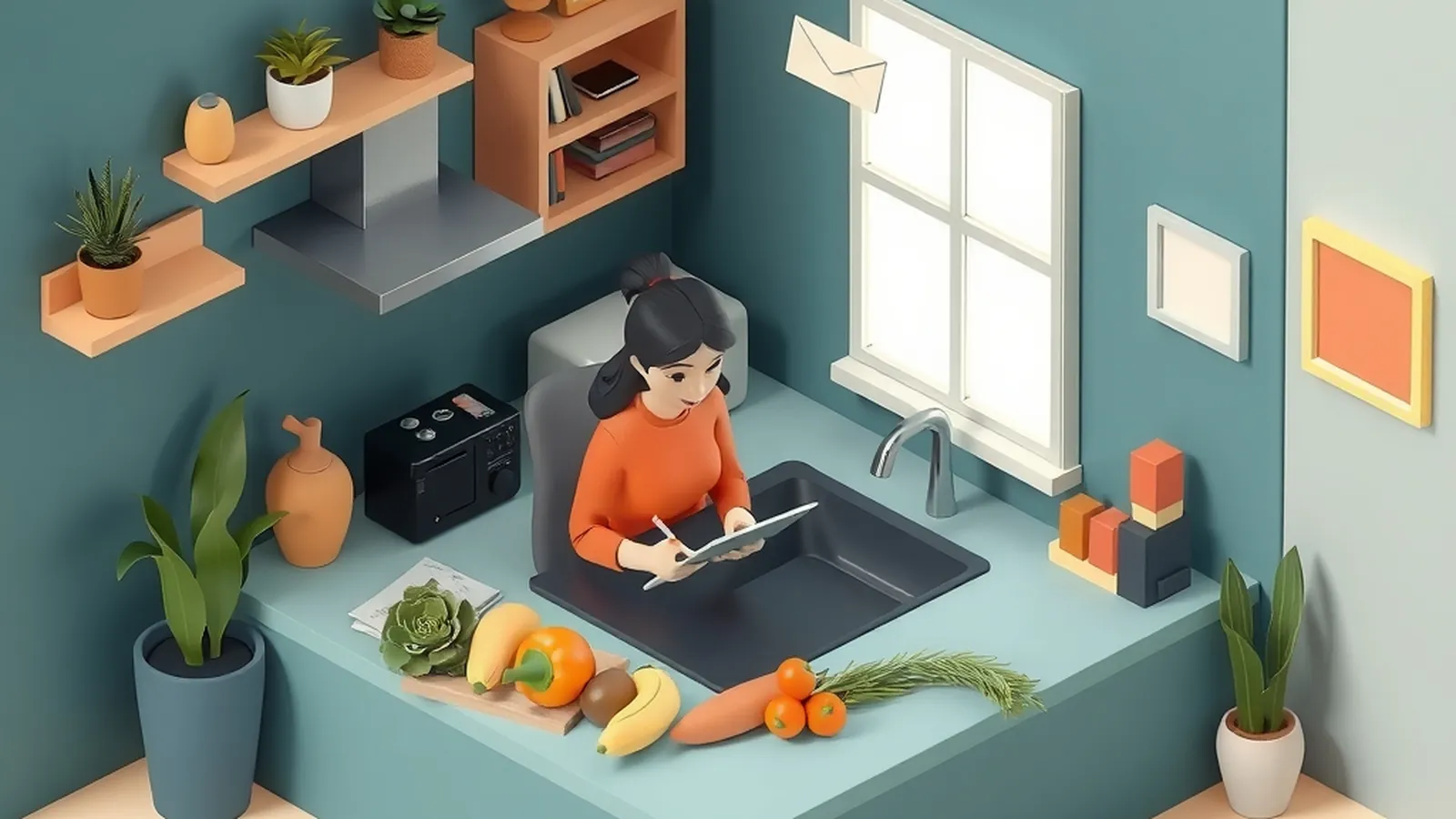
To start a newsletter, choose a clear topic for a specific reader, pick an email service that fits your needs, set a sending schedule you can keep, write a welcome email and first few issues, then invite people who would genuinely want it. A newsletter is the most direct relationship you can have with an audience, because it arrives in their inbox rather than depending on a feed or a search ranking.
It is one of the channels in our Content & Audience section, and it pairs well with almost every other one.
Step 1: Decide what your newsletter is for
Readers subscribe for a promise. Make yours specific enough that someone can say yes or no in a few seconds.
Weak: "Updates and thoughts from me." Clearer: "Every other Friday, three tested tips for keeping houseplants alive in a dark apartment."
Write your promise in this format:
"Every [timeframe], [who it's for] gets [what they get] so they can [result]."
If you already have a blog, podcast or channel, the newsletter can extend it: behind-the-scenes notes, a roundup of the best pieces, or a tip that does not appear anywhere else.
Step 2: Pick a format
| Format | What it looks like | Good if you |
|---|---|---|
| Single essay | One focused piece on one topic | Like writing in depth |
| Tips list | Three to five short, practical tips | Want something quick to read and write |
| Curated roundup | Links to useful things you found, with your notes | Read widely and like sharing |
| Mixed | A short note, one main piece, a few links | Want variety without much extra work |
Pick one and stick with it for at least a few months so readers know what to expect.
Step 3: Choose an email service type
You need an email service built for newsletters, not your personal inbox. Most newsletter services handle signup forms, unsubscribe links and sending to many people at once. They generally fall into a few types:
- Newsletter-first platforms focused on writing and publishing issues.
- Email marketing services with more automation and segmenting, useful if you plan to sell products later.
- Tools built into a website platform, convenient if your site already offers them.
Check each service's current pricing, limits and rules, and how easily you can export your list if you ever move. Your list is yours; make sure you can take it with you.
Step 4: Set your cadence
Cadence is how often you send. There is no right answer, only a sustainable one.
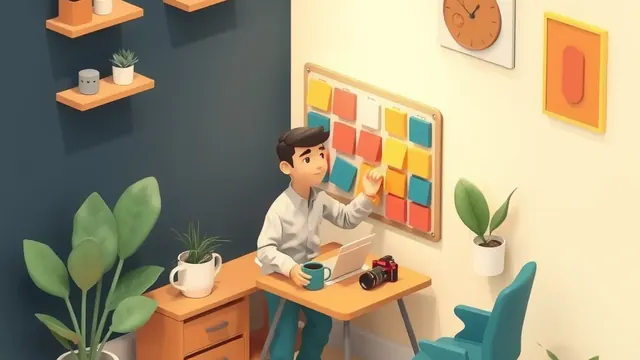
Here is an example. Ren writes a newsletter for home cooks who want to waste less food. They have a full-time job and a toddler, so they choose every other Sunday. They write on the first weekend, schedule it to send on the second, and use the off week to collect ideas. Ren plans issues a month ahead in a simple content calendar, which keeps a busy week from turning into a skipped issue.
Step 5: Write your welcome email
Your welcome email sets the tone for everything after it. Keep it short and useful. A simple template:
Then write two or three issues ahead of time so you are never starting from a blank page on deadline.
Step 6: Follow the basic email rules
Email has legal rules, and they apply to newsletters that promote anything you sell or earn from. In brief, the US CAN-SPAM Act expects honest sender information and subject lines, a physical mailing address, and a clear way to unsubscribe that you honor promptly. Our email marketing guide explains the details, along with welcome sequences and building a list over time. This is general education, not legal advice.
If you include affiliate links, disclose them clearly near each link, in plain words.
Step 7: Find your first subscribers
Start with people who would genuinely want what you are writing. Honest ways to do that:
- Tell people you know who fit the audience, and ask if they would like to subscribe. Do not add them without asking.
- Add a signup form to your website, blog posts or link-in-bio page.
- Mention it at the end of your content. A podcast host can mention it in each episode; our guide to starting a podcast covers pairing the two.
- Share a sample issue on one social platform where your readers spend time. See social media for business for picking one.
- Offer something small and useful for signing up, such as a checklist, if it truly fits the newsletter's topic.
Never buy email lists. The people on them did not ask to hear from you, and it can harm your sender reputation and break your email service's rules.
Step 8: Learn from your readers
Once you have a few issues out, pay attention to replies and to what people click. Ask one question at the end of an issue, such as "What's the food you throw away most often?" The answers become future issues.
Keep a simple file of reader questions and the issue ideas they spark. When a week feels empty, open that file first. Over time it becomes a record of what your readers actually care about, which is more useful than any guess you make on your own.
Growth is usually slow, and results vary widely. A small list of people who read every issue is far more useful than a large list that ignores you.
Mistakes to avoid
- Sending only promotions. Most issues should help, not sell.
- Irregular sending. Long silences make readers forget why they subscribed.
- Vague subject lines. Say what is inside.
- Hiding the unsubscribe link. Make leaving easy; it keeps your list honest.
Do this today
Write your one-sentence newsletter promise using the format in Step 1. Then draft your welcome email using the template above, filling in one real tip. You will have the hardest two pieces of your newsletter done before you choose a service.
Want a step-by-step business course?
Some people like the structure of a paid guide. This button opens a third-party online business program from one of our advertising partners. Results vary and most people earn little or nothing at first. Its claims are its own, not ours, so weigh them against our red flags checklist.
See the partner program →We may be paid when you click. The program shown can change. Read its terms before you buy anything. How this works
Frequently asked questions
How often should I send a newsletter?
Choose the pace you can keep for a year, whether weekly, every two weeks or monthly. Readers notice reliability more than frequency, and a missed schedule erodes trust faster than a slower one.
Can I add people to my newsletter without asking?
Do not. Only add people who chose to subscribe. Adding contacts who never asked damages trust and can cause problems with your email provider and with email laws.
What should my first newsletter issue say?
Welcome readers, explain who the newsletter is for and what they will get, say how often it arrives, and deliver one genuinely useful piece right away so they know it is worth opening.