How to Start a Podcast Without Overthinking It
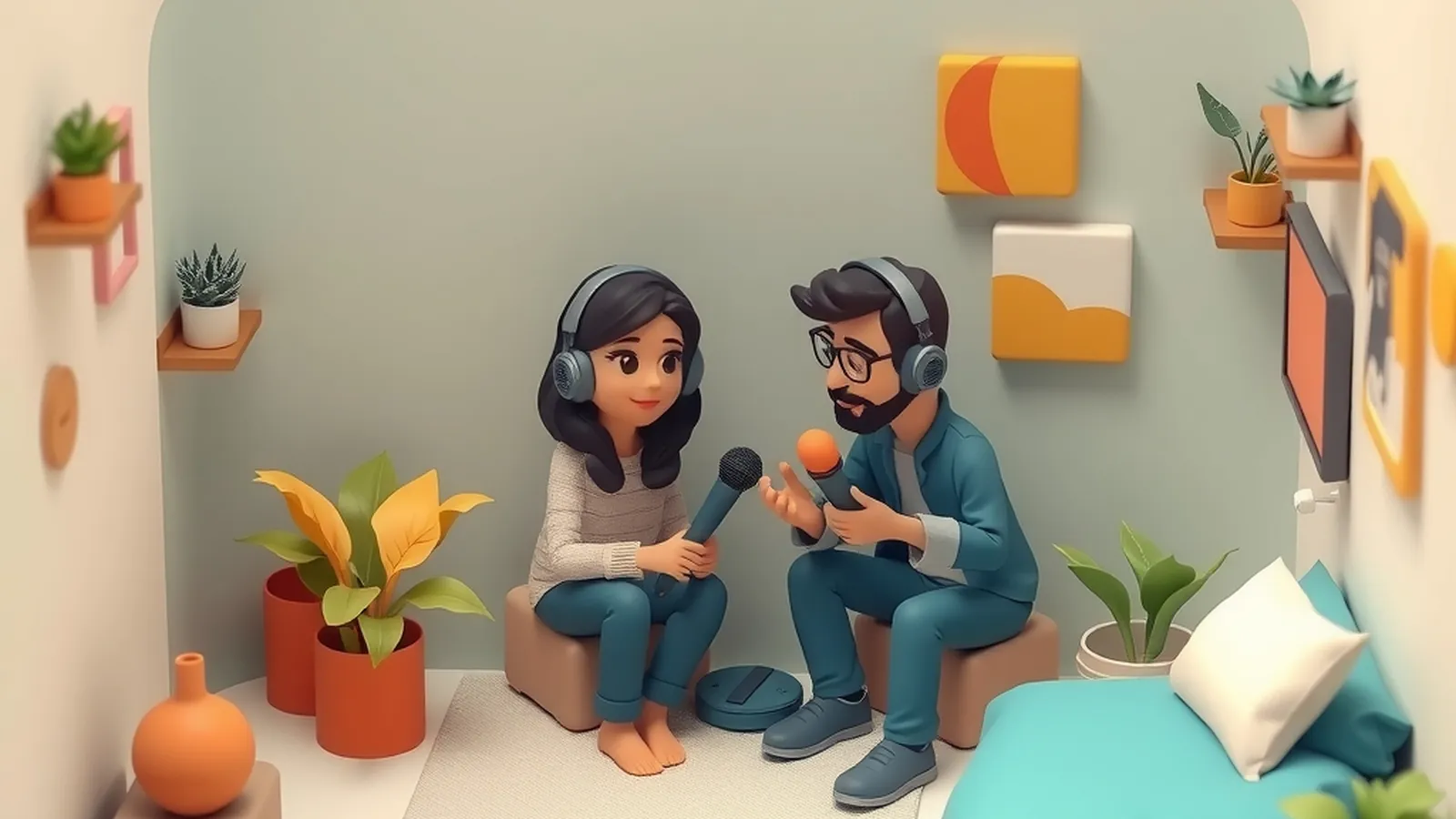
To start a podcast, choose a specific topic and a format you enjoy, record in a quiet room with a simple microphone, edit out the rough spots, and publish through a podcast host that sends your show to listening apps. Then release episodes on a steady schedule. The equipment is the easy part; the hard part is staying consistent long enough for people to find you.
Podcasts are one of the formats covered in our Content & Audience guides, and they suit people who think best out loud.
Step 1: Pick a topic and a listener
A podcast works best when a listener can describe it in one sentence: "It's a show for new beekeepers about getting through the first year." Fill in this line for yourself:
"My show helps ______ with ______, one episode at a time."
If you cannot think of at least twenty episode ideas, try a slightly broader topic. If your idea covers anything and everything, narrow it to a clear listener.
Step 2: Choose a format
Format shapes how much work each episode takes. Pick one you can sustain.
| Format | What it is | Effort | Good if you |
|---|---|---|---|
| Solo | You talk through one topic | Prep an outline; record alone | Like teaching and want full control of scheduling |
| Co-hosted | Two regular hosts in conversation | Coordinate two schedules | Have a reliable partner with a different viewpoint |
| Interview | A different guest each episode | Booking, research, follow-up | Enjoy meeting people and asking questions |
| Mixed | Mostly solo with occasional guests | Moderate | Want flexibility |
Many beginners start solo or co-hosted because booking guests every week takes real time. You can add interviews later.
Step 3: Get simple gear
Audio quality matters more in a podcast than almost anywhere else, because sound is the whole product. Good news: the room often matters more than the microphone.
- A quiet, soft room. Closets full of clothes, bedrooms with rugs and curtains, or a corner with pillows around you all reduce echo.
- A basic microphone. A simple USB microphone is a common starting point. A recent phone held close works for a test.
- Headphones. So you can hear what you are recording.
- Editing software. Free basic audio editors can cut mistakes, remove long pauses and even out volume.
Record a two-minute test before every session and listen back. Fix the room before you buy anything new.
Step 4: Understand hosting
A podcast host stores your audio files and creates an RSS feed, a kind of automatic update list that podcast apps read to show your new episodes. You upload an episode once and the host makes it available to the listening apps you connect.
Hosting services fall into a few general types:
- Free hosts, which may limit features or add their own branding or ads.
- Paid hosts, which usually offer more storage, statistics and control.
- Hosting built into a website platform, convenient if you already run a site.
Features, limits and prices change, so compare each host's current terms. Check who owns your feed and how easily you can move your show if you switch later. Some platforms, including YouTube, also accept podcasts as video or audio; if you would rather film your conversations, our guide to starting a YouTube channel covers that side.
Step 5: Plan and record your first episodes
A common approach is to launch with a few episodes at once so new listeners have more than one to try. Three is a reasonable number.
An episode outline you can reuse
- Opening: one sentence on what this episode covers and who it is for.
- Main point one, with an example or story.
- Main point two, with an example.
- Main point three, or a listener question.
- Takeaway: one thing the listener can do this week.
- Close: when the next episode comes out and where to find show notes.
An example
Example: Dana and Luis start a co-hosted show for people renovating older homes on a tight budget. They record every other Sunday in Dana's spare bedroom, with blankets hung on the walls. Each records into their own microphone. Their first three episodes cover choosing a first project, finding honest contractors, and what they wish they had known before pulling up old flooring. Editing takes an evening. They publish every other Thursday.
Step 6: Give your show an identity
Your show's name, cover art, description and the way you open each episode make it recognizable in a crowded app. Keep it clear: a name that hints at the topic, cover art that reads at a small size, and a description that names your listener. Our guide to branding basics goes further on choosing a voice and staying consistent.
Step 7: Promote it honestly
Listeners rarely find a new show by accident. Ways to help them:
- Ask guests to share the episode they appeared on.
- Write show notes with a short summary and links mentioned, which also helps people find episodes through search.
- Start a newsletter so listeners hear about new episodes directly. Our guide to starting a newsletter covers that.
- Share clips or quotes on one social platform where your listeners spend time. See social media for business for choosing one.
Never buy fake reviews or ratings for your show. Ask real listeners for honest feedback instead.
A word about podcasting programs
You will likely see courses and coaching that promise fast audience growth or sponsorship deals for new shows. Be cautious. Results vary widely, and many podcasts stay small. Before paying for any program, read our guide to red flags in make-money-online offers.
Mistakes to avoid
- Buying gear before testing your room.
- Long, unedited openings. Get to the point quickly.
- An unpredictable schedule. Pick a rhythm and say it out loud in each episode.
- Quitting after a handful of episodes. Many shows need time before listeners find them.
Do this today
Fill in the "My show helps ______ with ______" sentence. Then go to the quietest, softest room you have and record a two-minute test with your phone held close. Listen back with headphones. That one test will teach you more about your setup than any gear review.
Want a step-by-step business course?
Some people like the structure of a paid guide. This button opens a third-party online business program from one of our advertising partners. Results vary and most people earn little or nothing at first. Its claims are its own, not ours, so weigh them against our red flags checklist.
See the partner program →We may be paid when you click. The program shown can change. Read its terms before you buy anything. How this works
Frequently asked questions
What do I need to start a podcast?
A topic, a format, a quiet place to record, a basic microphone or even a phone, simple editing software and a podcast host that distributes your show to listening apps. Everything else is optional at the start.
How long should a podcast episode be?
As long as it takes to be useful and no longer. Many beginners do well with a consistent length they can produce reliably. Listeners tend to value a predictable schedule and tight editing over any particular running time.
How do podcasts get listeners?
Usually slowly, through a clear topic, consistent episodes, guests who share episodes with their own audiences, and promotion through a newsletter or social channels. There is no reliable shortcut, and growth varies widely.